
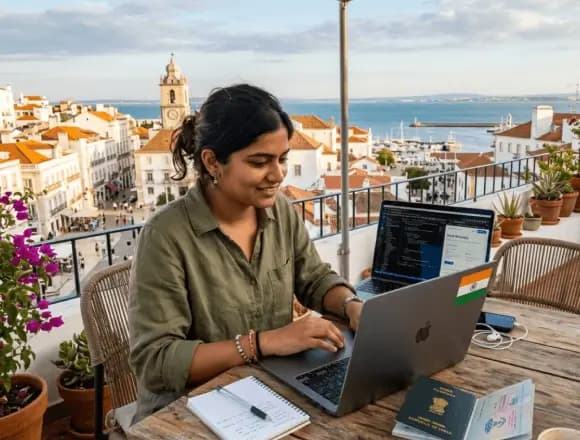
Digital nomad visas are opening up exciting opportunities for Indian professionals to legally live and work remotely from countries like Portugal, Spain, Georgia, Estonia, Dubai, Bali, Croatia, Malta, Greece, and Costa Rica in 2026. These visas allow remote employees, freelancers, and entrepreneurs to stay abroad while earning income from outside their host country, offering benefits such as better work-life balance, global networking, and unique cultural experiences. Before applying, it's essential to compare income requirements, visa eligibility, tax implications, health insurance, internet reliability, and living costs. Choosing the right destination depends on your career, budget, and lifestyle, but with proper planning, a digital nomad visa can turn remote work into a sustainable international lifestyle rather than just an extended vacation.
The office doesn't have four walls anymore. Not for everyone, anyway. Somewhere between 2020 and now, remote work shifted from emergency measure to genuine lifestyle choice for millions of professionals. And once people realised they could do their job from anywhere with decent internet, an obvious question followed: why not do it somewhere actually interesting?
For Indian professionals specifically, that question has become increasingly practical. Digital nomad visa for Indians options have multiplied rapidly. Dozens of countries now offer formal pathways for remote workers to live legally abroad while continuing their careers online.
This isn't about extended holidays. It's about people building actual working lives in Lisbon or Tbilisi or Bali while their salary, clients, or projects remain exactly where they were.
Here's what's available in 2026, what to consider before applying, and which destinations actually make sense for Indian professionals. Choosing the right country is only part of the equation—the best cities for digital nomads can make an equally significant difference to your remote work experience.
What Is a Digital Nomad Visa and Why Does It Matter?

A digital nomad visa is a temporary residence permit allowing remote workers to live legally in another country while earning income from employers, clients, or businesses outside that country.
Different from a work permit - you're not competing for local jobs. Different from a tourist visa - you can actually stay properly and work without legal ambiguity.
Typical applicants include remote employees, freelancers, consultants, software developers, designers, writers, entrepreneurs, and online business owners.
The digital nomad visa for Indians category matters because working on a tourist visa is legally questionable in most countries regardless of where your income comes from. Getting this right protects you. Getting it wrong can mean visa cancellations, fines, or bans.
Why Are More Indians Exploring Working Abroad?

Because the reasons have become genuinely compelling rather than just theoretically appealing.
Better work-life balance without taking a career break. Lower living costs in some destinations that let savings actually grow. Access to global professional communities. Weather that doesn't require escaping your home city for six months. Cultural experiences that happen around work rather than instead of it.
And honestly - some places are just more pleasant to spend a year than others. That's not a trivial consideration.
Interest in countries with digital nomad visa India options keeps growing as more Indian companies normalize remote and hybrid work. What was once a niche conversation is increasingly a mainstream one. This lifestyle also reflects the growing shift toward slow travel, where travellers spend longer periods experiencing destinations instead of rushing through a checklist.
Which Countries Actually Work for Indian Digital Nomads in 2026?
Not every country that offers a digital nomad visa is equally practical for Indian applicants. Visa approval rates, income requirements, cost of living, and flight connectivity all vary significantly. Here are the ones worth serious consideration. Comparing and booking flights well in advance can significantly reduce relocation costs, especially during peak travel seasons. Arranging reliable airport cab services before arrival also makes settling into a new destination much smoother. For countries with extensive rail networks, convenient train bookings are an excellent way to explore nearby cities during weekends.
Portugal - The Consistent Favourite
Portugal keeps appearing at the top of these lists because it keeps delivering.
Lisbon attracts tech professionals and entrepreneurs in numbers that have created a genuinely strong expat and nomad community. Porto offers a similar quality of life at slightly lower costs. Madeira specifically created a remote work village that became something of a proof of concept for the whole category.
Why it works for Indians:
- Strong English proficiency
- Excellent internet infrastructure
- Pleasant climate year-round
- European base for travel
- Established Indian community
- Dedicated remote worker residence options for eligible applicants
The minimum income requirements are substantial. Portugal isn't the cheapest option. But for professionals earning decent salaries remotely, it's one of the most liveable places on the list.
Portugal - The Consistent Favourite
Portugal keeps appearing at the top of these lists because it keeps delivering.
Lisbon attracts tech professionals and entrepreneurs in numbers that have created a genuinely strong expat and nomad community. Porto offers a similar quality of life at slightly lower costs. Madeira specifically created a remote work village that became something of a proof of concept for the whole category.
Why it works for Indians:
- Strong English proficiency
- Excellent internet infrastructure
- Pleasant climate year-round
- European base for travel
- Established Indian community
- Dedicated remote worker residence options for eligible applicants
Portugal - The Consistent Favourite
Portugal keeps appearing at the top of these lists because it keeps delivering.
Lisbon attracts tech professionals and entrepreneurs in numbers that have created a genuinely strong expat and nomad community. Porto offers a similar quality of life at slightly lower costs. Madeira specifically created a remote work village that became something of a proof of concept for the whole category.
Why it works for Indians:
- Strong English proficiency
- Excellent internet infrastructure
- Pleasant climate year-round
- European base for travel
- Established Indian community
- Dedicated remote worker residence options for eligible applicants
The minimum income requirements are substantial. Portugal isn't the cheapest option. But for professionals earning decent salaries remotely, it's one of the most liveable places on the list.
Portugal - The Consistent Favourite
Portugal keeps appearing at the top of these lists because it keeps delivering.
Lisbon attracts tech professionals and entrepreneurs in numbers that have created a genuinely strong expat and nomad community. Porto offers a similar quality of life at slightly lower costs. Madeira specifically created a remote work village that became something of a proof of concept for the whole category.
Why it works for Indians:
- Strong English proficiency
- Excellent internet infrastructure
- Pleasant climate year-round
- European base for travel
- Established Indian community
- Dedicated remote worker residence options for eligible applicants
Portugal - The Consistent Favourite
Portugal keeps appearing at the top of these lists because it keeps delivering.
Lisbon attracts tech professionals and entrepreneurs in numbers that have created a genuinely strong expat and nomad community. Porto offers a similar quality of life at slightly lower costs. Madeira specifically created a remote work village that became something of a proof of concept for the whole category.
Why it works for Indians:
- Strong English proficiency
- Excellent internet infrastructure
- Pleasant climate year-round
- European base for travel
- Established Indian community
- Dedicated remote worker residence options for eligible applicants
The minimum income requirements are substantial. Portugal isn't the cheapest option. But for professionals earning decent salaries remotely, it's one of the most liveable places on the list.
What Do You Actually Need to Check Before Applying?
Finding the right work from abroad visa Indians option involves considerably more than comparing Instagram-friendly destinations.
Minimum income requirements
Every digital nomad visa has them. They vary significantly - Georgia's are accessible, Portugal's are substantially higher. Know what you earn and check what each country requires before spending time on applications you won't qualify for.
Tax residency rules
This is where people get into actual trouble.
Living abroad for extended periods can affect tax obligations in ways that aren't always obvious. Double taxation agreements between India and specific countries matter. Length of stay triggers residency rules in some places that carry tax implications. This isn't an area to figure out as you go - consult a tax professional before you leave, not after you've been somewhere six months.
Health insurance
Most countries require internationally valid health insurance before issuing long-stay visas. Sort this properly rather than buying the cheapest option that technically meets requirements.
Internet reliability
The digital nomad destinations listed here have generally strong infrastructure. But "generally strong" varies by neighbourhood and season. Research specific areas, not just countries. Tbilisi centre versus outskirts is a different internet experience. Bali's coworking cafés versus your apartment might be different too.
Actual cost of living
Popular nomad destinations become expensive precisely because they become popular. Lisbon costs significantly more than it did five years ago. Bali's prices have increased with demand. Factor realistic accommodation costs rather than the cheapest possible options you find in a blog post.
What Mistakes Do First-Time Digital Nomads Make?
A few that keep appearing.
Assuming tourist visas allow remote work. They don't, in most cases. Working on a tourist visa is a genuine legal risk regardless of where your income originates. The remote work visa India category exists specifically to address this.
Ignoring tax implications until they become problems. See above. This is the one that creates real financial and legal headaches.
Underestimating accommodation costs. The budget options in nomad destination articles are rarely what you actually end up paying once you want reliable internet, a proper workspace, and somewhere you can stay for months without going mad.
Choosing destinations with unreliable internet. Beautiful place with patchy connectivity is not a workable situation. Check this specifically, not generally.
Not reading visa conditions properly. Some digital nomad visas have restrictions that aren't immediately obvious - working for local companies, income source requirements, renewal conditions. Read the actual documentation.
Is This Lifestyle Actually Right for You?
Genuinely not for everyone.
People who thrive as digital nomads tend to enjoy flexible work schedules, independent working styles, frequent adaptation to new environments, and planning logistics. They're comfortable with uncertainty, good at creating structure for themselves, and don't require constant office collaboration to be productive.
People who struggle tend to need the social structure of an office, find administrative uncertainty stressful, miss the routine of a fixed location, or work in roles that require significant real-time collaboration across teams.
Neither is a judgment. It's just worth being honest about which describes you before booking a one-way flight to Lisbon.
Where Does All This Go?
Five years ago, working remotely from another country meant navigating immigration systems that weren't designed for it.
Now dozens of governments are actively creating programmes to attract remote professionals because they contribute to local economies without taking local jobs. That's a structural shift rather than a trend.
For Indian professionals, the digital nomad visa for Indians category represents a genuinely new option that didn't exist clearly before. Whether building a career from Lisbon, writing code in Tbilisi, designing from Bali, or managing projects from Dubai - the right work from abroad visa Indians programme makes it legal, structured, and sustainable rather than ambiguous.
The number of countries with digital nomad visa India applicants can choose from is likely to keep expanding. The ones listed here are the established options for 2026. In another two years, there will probably be more.
The office doesn't have four walls anymore.
For a growing number of Indian professionals, that's the whole point.
Frequently Asked Questions
What is a digital nomad visa and how is it different from a tourist visa?
A digital nomad visa for Indians allows legal residence in another country while working remotely for employers or clients based outside that country. A tourist visa is for leisure travel and generally doesn't legally permit remote work regardless of where income originates. Using the wrong visa category creates genuine immigration risk during extended stays.
Which countries offer digital nomad visas for Indians?
The established options for 2026 include Portugal, Spain, Croatia, Estonia, Georgia, Greece, Malta, Costa Rica, Indonesia (Bali, subject to current regulations), and the UAE's Virtual Working Programme. The list of countries with digital nomad visa India applicants can access continues expanding as more governments introduce programmes.
Can Indians apply while working for an Indian company?
In many cases yes, provided the company is based outside the destination country and income meets minimum requirements. Rules differ between destinations. Check specific eligibility criteria for each country rather than assuming the same rules apply everywhere.